Wellington Sleep Clinics Report Surge in Local Sleep Study Bookings
Clinics across the city are reporting steady bookings for overnight assessments as Wellingtonians seek targeted support for better rest.
2 min read
Clinics across the city are reporting steady bookings for overnight assessments as Wellingtonians seek targeted support for better rest.
2 min read
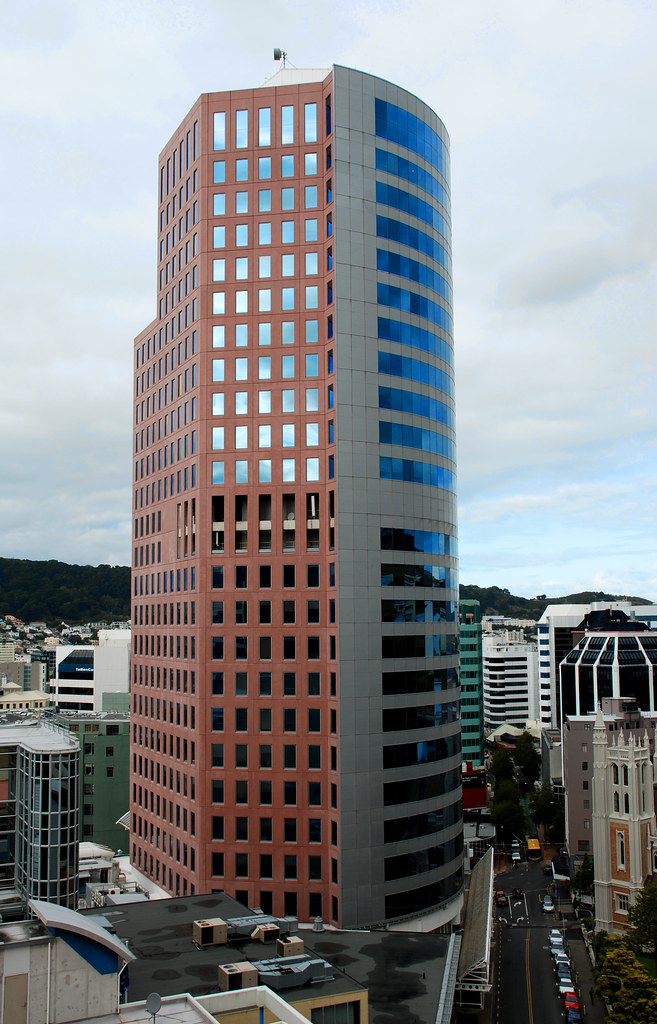
Wellington Sleep Clinic on Ghuznee Street recorded 142 overnight studies in the first half of 2026, up from 119 during the same period last year.
The increase tracks with local health data showing that one in four adults in the capital logs fewer than six hours of sleep on weeknights. City health officials link the trend to longer commutes along the motorway network and extended screen time in office towers around the CBD. Residents in neighbourhoods such as Mt Cook and Aro Valley have reported similar patterns in recent community surveys.
The Wellington Sleep Clinic operates from a converted terrace on Ghuznee Street and works with Capital & Coast District Health Board to run studies seven nights a week. A second site, the Newtown Sleep Assessment Unit on Riddiford Street, opened an additional two-bed laboratory in March and now processes 18 studies per week. Both locations accept referrals from general practitioners in Brooklyn and Hataitai without requiring hospital admission.
Standard overnight polysomnography at either facility costs $1,150 when booked through a GP. Patients receive a follow-up appointment within ten days, where technicians review breathing, heart rate and movement data collected during the test. The Newtown unit also offers a daytime multiple sleep latency test for $480 for shift workers at the port and hospital.
Anyone experiencing persistent daytime fatigue can start with a phone call to their regular doctor for a referral form. The Ghuznee Street clinic lists current wait times on its website each Monday morning, while the Riddiford Street unit sends text reminders two days before an appointment. Wellington residents who live within the city boundaries qualify for the public rate at Newtown; those outside the catchment pay the private fee at either location.
After results arrive, clinicians typically recommend adjustments such as consistent bedtimes or changes to evening light exposure rather than medication. Follow-up checks occur at six weeks for most patients.
Spread the word
About this article
Published by The Daily Wellington
Stay in the loop
Daily brief
Free, in your inbox before 7am. Weekdays.