Wellington Property Auction Success: Master These Proven Bidding Strategies Now
As auction rooms across the capital fill up and clearance rates tighten, arriving with a clear strategy is the only way to secure the keys.
3 min read
As auction rooms across the capital fill up and clearance rates tighten, arriving with a clear strategy is the only way to secure the keys.
3 min read
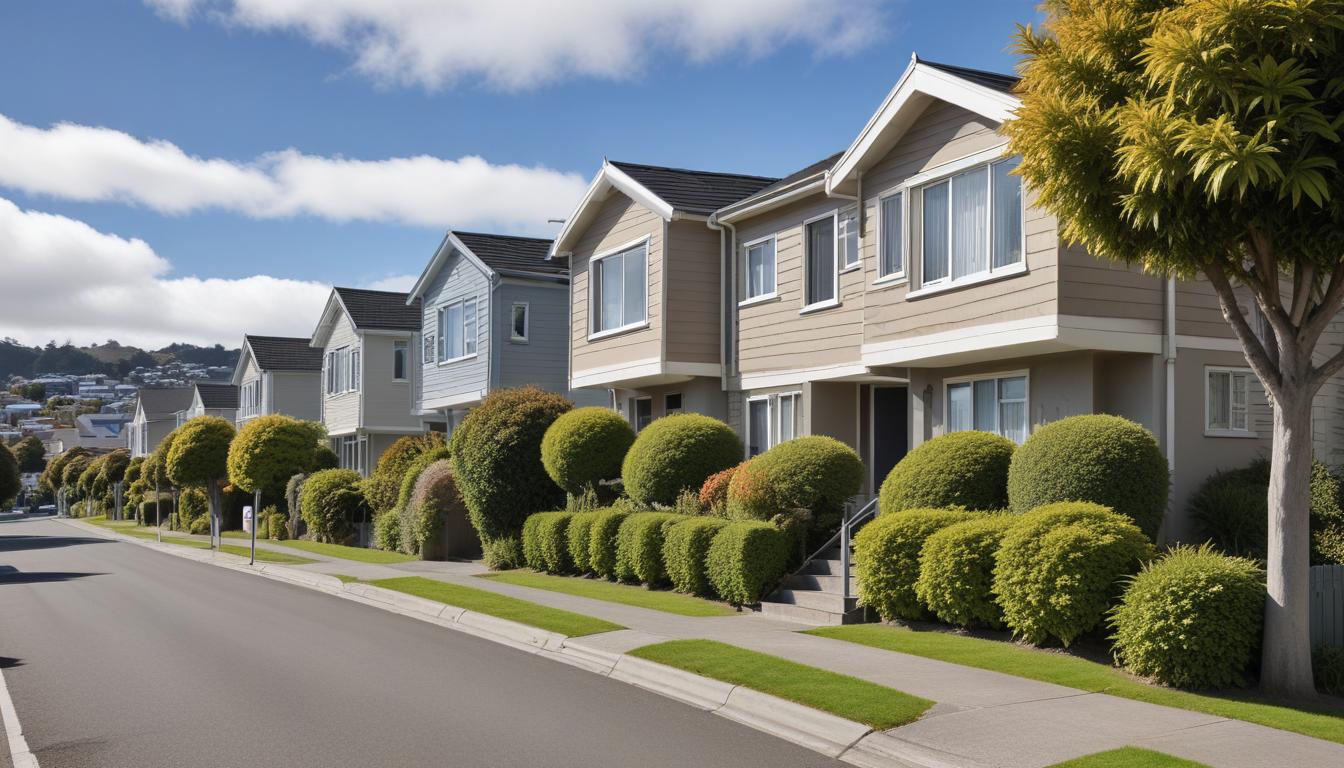
Wellington’s auction clearance rates firmed up over June, with an estimated 55 percent of properties going under the hammer now selling on the day. That figure, up from the low 40s seen earlier in the year, signals a decisive shift in the market, catching many aspiring homeowners off guard and forcing a rethink of bidding strategy.
For buyers who grew accustomed to post-auction negotiations and conditional offers over the past two years, the return of competitive bidding is a sharp wake-up call. Well-presented family homes, particularly those in sought-after school zones like Wellington College and Wellington Girls' College, are once again drawing multiple registered bidders. The increased competition means that simply showing up with pre-approved finance is no longer enough; a clear, disciplined plan for auction day is now essential.
The change is palpable in auction rooms from the city fringe to the northern suburbs. Last week, a renovated three-bedroom villa on a quiet street in Thorndon drew five registered bidders, ultimately selling for $1.42 million – more than $150,000 above its ratings valuation. A similar scene played out in Karori, where a 1960s brick-and-tile home saw bidding leap in $20,000 increments before the hammer fell. Agents report that open home attendance has doubled since March for properties with strong fundamentals.
Success starts days before the auctioneer calls for an opening bid. The first step for any serious contender is completing all due diligence. This includes securing unconditional finance approval from your bank, having a lawyer review the title and sale documents, and commissioning a builder’s report and a Land Information Memorandum (LIM) from the Wellington City Council. Going into an auction with conditions is a non-starter.
With the homework done, the crucial task is setting your price limits. Experienced buyers operate with three numbers in mind. First, the ‘dream price’ – the figure you’d be thrilled to get it for. Second, the ‘expected price’ – a realistic assessment based on recent comparable sales in the area. Finally, and most importantly, the ‘walk-away price’. This is your absolute, non-negotiable ceiling, a figure you write down and commit to before the emotional pressure of the auction begins. For a property with a buyer guide of $1.1 million, this might mean setting a walk-away limit of $1.25 million and sticking to it, no matter what.
On auction day, your strategy dictates your actions. Projecting confidence is key. Some buyers favour a strong opening bid, at or near the top of the advertised price guide, to signal serious intent and potentially knock out less-prepared bidders early. This tactic can immediately place you in the driver’s seat with the auctioneer.
Others prefer to wait, observing the competition before making a move. When you do bid, do so clearly and decisively. Avoid small, hesitant increments of $1,000, as this can signal you are near your limit. Bidding in strong, rounded increments of $5,000 or $10,000 maintains momentum and puts pressure back on other bidders. If the property is announced as being “on the market” – meaning it has met its reserve price – the bidding often becomes faster and more aggressive. This is the moment to stick rigidly to your pre-determined walk-away price. The winning bidder is often not the one with the most money, but the one with the clearest plan.
Spread the word
About this article
Published by The Daily Wellington
Stay in the loop
Daily brief
Free, in your inbox before 7am. Weekdays.