Wellington First-Home Buyers Find LMI Premium Cheaper Than Waiting
For many Wellington first-home buyers, the cost of waiting to save a 20% deposit now outweighs the one-off insurance premium in a fast-moving market.
3 min read
For many Wellington first-home buyers, the cost of waiting to save a 20% deposit now outweighs the one-off insurance premium in a fast-moving market.
3 min read
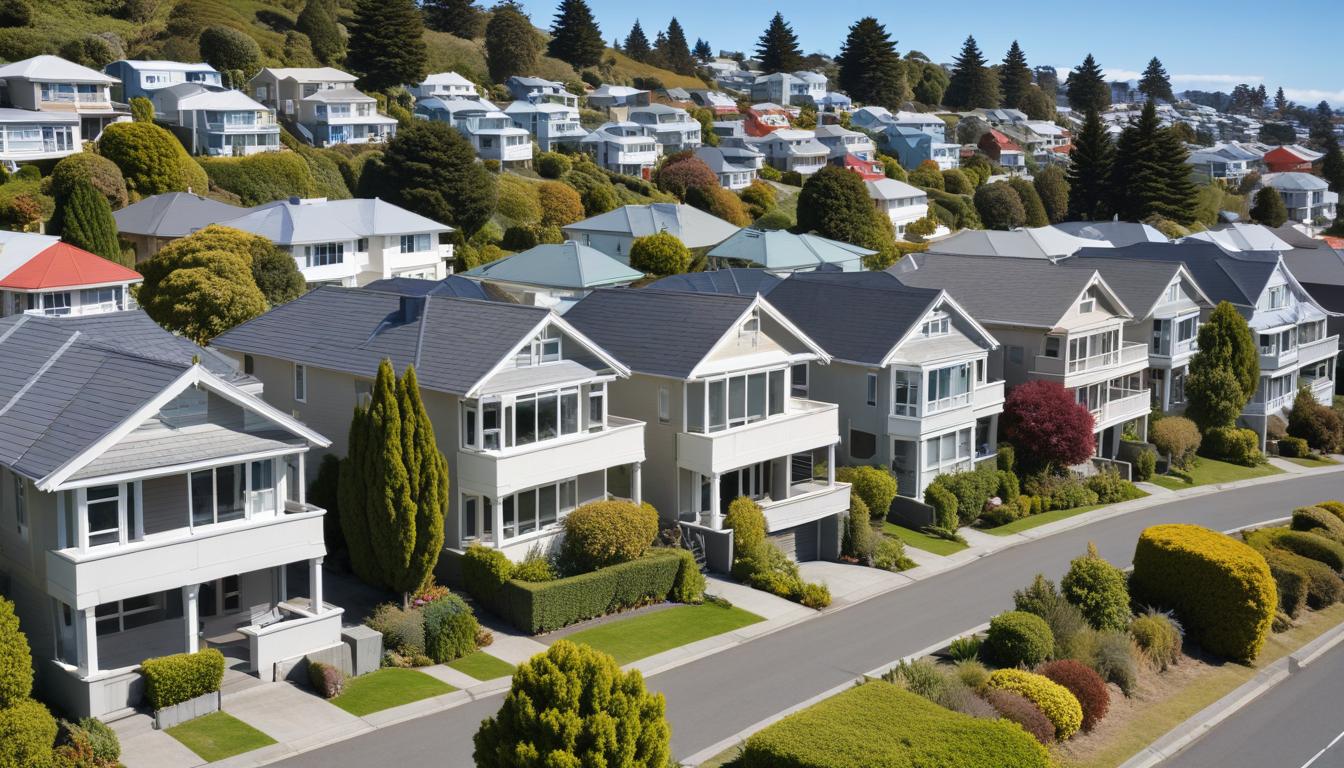
Wellington’s aspiring homeowners are increasingly making a calculated gamble, opting to pay thousands in Lenders Mortgage Insurance (LMI) to secure a property now rather than risk being permanently priced out. The one-time fee, once seen as a penalty for not having a 20% deposit, is being reframed by buyers and brokers as a strategic cost for entering a market where capital gains can quickly eclipse the insurance premium.
The logic is driven by Wellington's stubborn property market. With interest rates having settled after a volatile period and property values continuing their steady climb, the fear of chasing a rising target is palpable. For a couple saving diligently, watching the deposit required for a modest home in Newlands or Tawa increase by $20,000 in a single year can be demoralising. Paying LMI allows them to lock in a price today, effectively betting that the home’s value will appreciate by more than the cost of the insurance in the time it would have taken them to save the remaining deposit.
This strategy is becoming more mainstream, particularly as government support mechanisms evolve. Programmes like Kāinga Ora’s First Home Loan have been instrumental. The scheme allows eligible buyers with as little as a 5% deposit to get a loan without personally paying for LMI because Kāinga Ora underwrites it for the lender. However, income caps and house price limits mean many Wellington buyers, particularly those looking closer to the city fringe in suburbs like Karori, fall outside its scope and must turn to the banks’ standard low-deposit options, which invariably require LMI.
The numbers from mid-2026 paint a stark picture. According to the latest figures from the Real Estate Institute of New Zealand, Wellington’s median house price for June sits at $895,000. A traditional 20% deposit on such a property is $179,000. For a buyer with a 10% deposit of $89,500, the LMI premium on the remaining $805,500 loan could be anywhere from $15,000 to $20,000, depending on the lender. While a significant sum, it pales in comparison to the market’s potential movement. A modest 5% rise in the median price over the next 12 months would add another $44,750 to the purchase price, far exceeding the insurance cost.
Financial advisors are increasingly modelling this exact scenario for clients. The calculation hinges on a buyer’s income security and the market’s trajectory. If a buyer can comfortably service the larger mortgage and believes the market will continue to appreciate, paying LMI can be the circuit-breaker that gets them onto the property ladder. For example, purchasing a two-bedroom apartment on The Terrace with a 10% deposit might mean paying an LMI premium, but it also means starting to build equity immediately.
The risk, of course, is a market downturn. If prices were to fall after purchase, a buyer with a low deposit could find themselves in negative equity, owing more than their property is worth. LMI protects the bank, not the borrower, in the event of a default. This is the crucial trade-off every low-deposit buyer must confront. Lenders themselves remain cautious, applying stringent stress tests to ensure borrowers can handle potential interest rate rises on a larger-than-usual loan.
For those considering this path, the first step is a frank conversation with a mortgage adviser. They have access to different lenders’ policies on LMI, which are not uniform. Some banks may offer more favourable terms or capitalised LMI, where the premium is added to the total loan amount rather than paid upfront. An adviser can also assess eligibility for the Kāinga Ora First Home Loan, which remains the gold standard for buyers who meet the criteria.
Ultimately, the decision to pay LMI is a personal one based on financial stability, risk appetite, and a clear-eyed view of Wellington’s property market. It's no longer a simple question of saving 20%. In 2026, it's a complex equation weighing the definite cost of an insurance premium against the potential, and often greater, cost of being left behind.
Spread the word
About this article
Published by The Daily Wellington
Stay in the loop
Daily brief
Free, in your inbox before 7am. Weekdays.