Wellington Auction Rooms See Fewer Sales as Price Gaps Widen
A weekend of quieter auction floors suggests seller expectations are yet to catch up with a more cautious buyer pool this winter.
2 min read
A weekend of quieter auction floors suggests seller expectations are yet to catch up with a more cautious buyer pool this winter.
2 min read
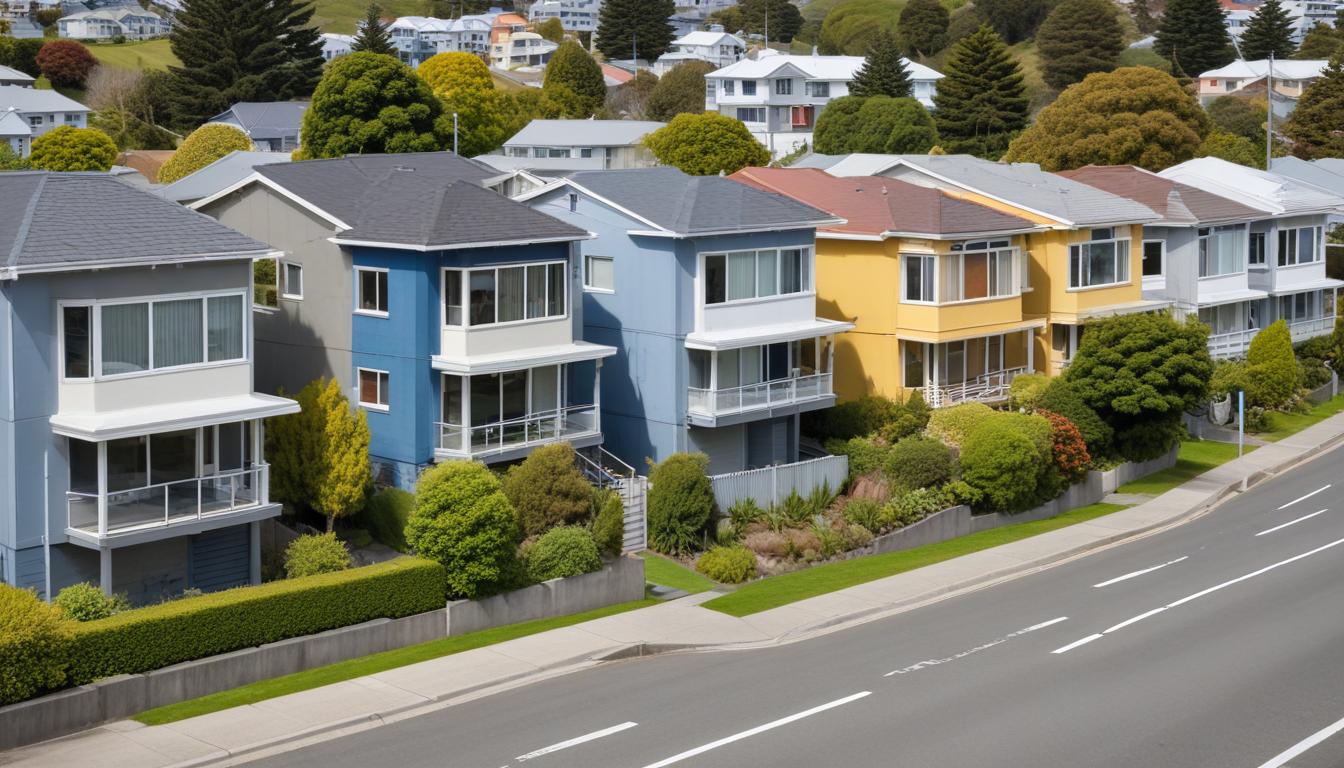
Wellington’s auction rooms felt a distinct chill this weekend that had little to do with the winter weather. A significant number of properties across the capital failed to sell under the hammer, passing in as bidding stalled well short of vendor reserves. The trend points to a growing disconnect between what sellers believe their homes are worth and what buyers, constrained by financing and economic uncertainty, are willing to pay.
This shift matters. After a period of modest price recovery in late 2025 and early 2026, the increase in properties passing in signals a market in negotiation with itself. The confidence that drove vendors to set ambitious reserves appears to be meeting a wall of buyer caution. For anyone trying to transact in the city’s notoriously tight property market, from first-home buyers in Johnsonville to downsizers in Khandallah, this new dynamic is reshaping the rules of engagement.
The pattern was visible across different property types and price brackets. In Karori, a tidy three-bedroom bungalow with a sought-after school zoning drew three registered bidders, but the auctioneer’s calls stalled $60,000 below the reserve price. The home, which would have sparked a bidding frenzy two years ago, is now listed with a fixed price, entering the next phase of its sales campaign.
It wasn't just a suburban story. In the central city, an auction for a two-bedroom apartment on College Street in Te Aro saw spirited opening bids from several young couples before hitting a ceiling. Agents on the floor said that while interest was high, pre-approved financing limits and concern over rising body corporate fees—a persistent issue for many central apartment buildings undergoing strengthening work—kept paddles down. The property passed in and the agent immediately entered negotiations with the highest bidder.
The anecdotes are backed by the weekend’s numbers. A preliminary analysis of auctions held on Saturday, July 4, shows a city-wide clearance rate of approximately 58%. While not a crash, it is a material softening from the 65-70% clearance rates that were common during the market’s more optimistic autumn peak. This comes as the latest Real Estate Institute of New Zealand (REINZ) data showed Wellington's median sale price plateauing, holding steady around $890,000 through the May reporting period.
This hesitation isn't a failure, but a transition. A property that passes in is not a dead deal; it is simply an invitation to a different kind of negotiation. Agents now report that a significant portion of their sales are being concluded in the hours and days immediately following an unsuccessful auction. For sellers, it is a reality check that may require adjusting price expectations. For buyers, a passed-in property represents a clear opportunity to make a conditional offer—subject to finance or a builder’s report—without the pressure of the auction room. In the Wellington market of mid-2026, the most important action is increasingly taking place after the gavel has fallen silently.
Spread the word
About this article
Published by The Daily Wellington
Stay in the loop
Daily brief
Free, in your inbox before 7am. Weekdays.