Johnsonville Property Prices: Wellington's Fastest Growing Suburb
Johnsonville property values climbed 8.2% in 12 months, outpacing Khandallah and Ngaio. Discover why this affordable Wellington suburb is attracting first-home buyers.
2 min read
Johnsonville property values climbed 8.2% in 12 months, outpacing Khandallah and Ngaio. Discover why this affordable Wellington suburb is attracting first-home buyers.
2 min read
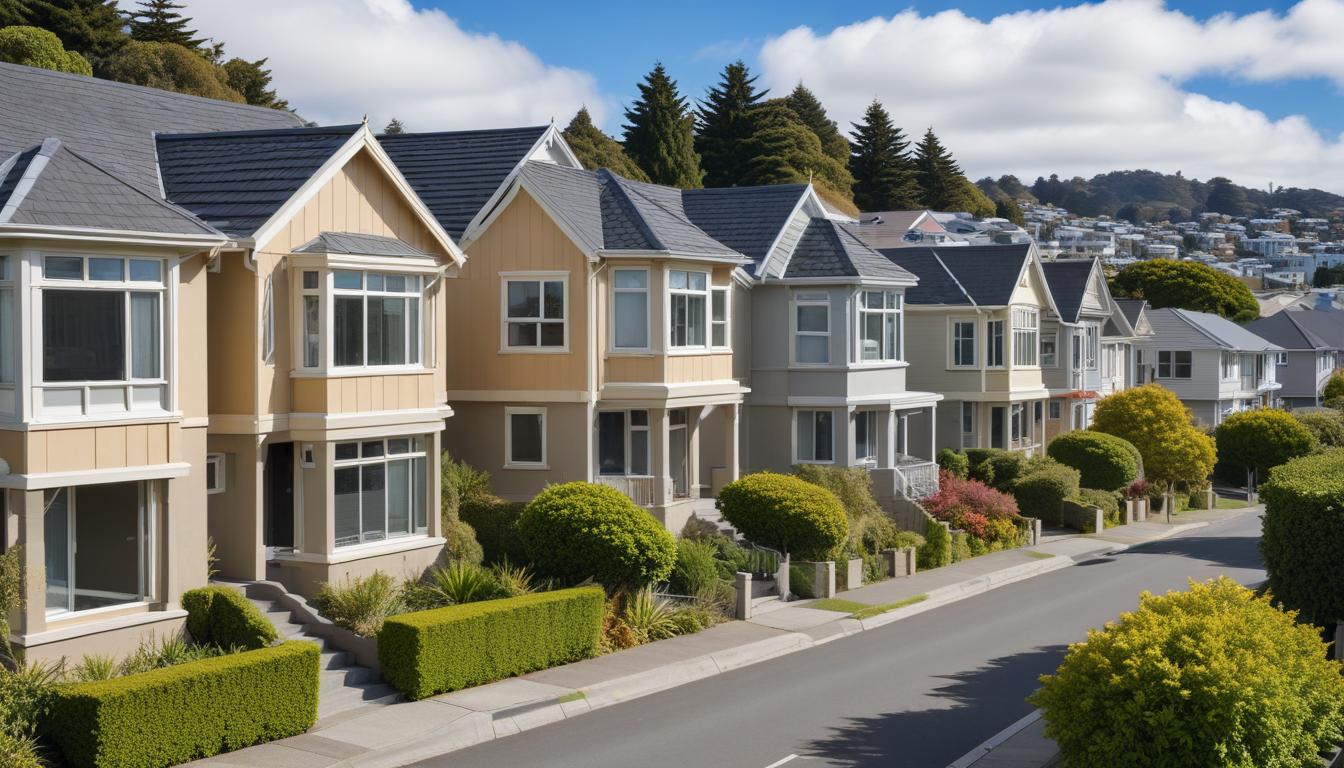
Johnsonville is posting property value gains that are outstripping the rest of Wellington’s northern suburbs. The traditionally affordable transport hub saw median property values climb 8.2% over the past twelve months, a rate of growth that has eclipsed both Khandallah and Ngaio, leaving market watchers and first-home buyers taking a closer look at the suburb’s potential.
This shift matters in a city still grappling with a housing affordability crisis. For years, buyers priced out of suburbs like Kelburn or Hataitai have looked north, but typically settled on a compromise. Now, that compromise is looking more like a savvy investment. The combination of reliable transport links, established amenities, and a new wave of medium-density housing developments is reshaping Johnsonville’s reputation from a sleepy service centre into a genuine hotspot.
The suburb’s infrastructure is proving to be its greatest asset. The Johnsonville train line provides a direct 15-minute link to Lambton Quay, a key draw for city workers seeking a better work-life balance. Amenities clustered around the Johnsonville Shopping Centre, including the community library and the nearby Keith Spry Pool, provide a self-contained town centre that reduces reliance on trips into the CBD. Real estate agents are reporting a significant uptick in interest for properties within walking distance of the train station, particularly along Broderick Road and Fraser Avenue.
This growth is also being driven by planning decisions made years ago. Wellington City Council’s District Plan changes, which encourage greater density around transport nodes, are finally bearing fruit here. Small-scale townhouse developments are replacing older single-dwelling homes, offering newer, warmer housing stock that appeals to young professionals and families who might have otherwise considered an apartment in Te Aro. This managed intensification is adding value without completely altering the suburb's character.
The data paints a clear picture. According to figures compiled from recent sales data, Johnsonville’s median sale price hit $865,000 in the second quarter of 2026. While still more accessible than Khandallah’s median of $1.35 million, the 8.2% annual growth rate in Johnsonville far exceeds Khandallah’s 3.1% and Ngaio’s 4.5% over the same period. The volume of sales is also up, with transactions increasing by 12% in the first half of this year compared to the same period in 2025.
For prospective buyers, the window of opportunity may be narrowing. The key is to look for value that hasn’t yet been fully realised. Properties on larger sections zoned for Mixed Use, especially those further up the hill towards Churton Park, still offer potential for subdivision or future development. Real estate professionals advise that homes built in the 1960s and 70s, which form the bulk of Johnsonville’s housing stock, are prime candidates for renovation that can add significant equity. As the market continues to recognise the suburb's strategic location and amenities, its days as an 'overlooked' option appear to be numbered.
Spread the word
About this article
Published by The Daily Wellington
Stay in the loop
Daily brief
Free, in your inbox before 7am. Weekdays.