What Perth Renters Can Do When Leases End Amid Tight Supply
Sub-1% vacancy rates and a booming market are forcing thousands of Perth renters to get creative when their leases expire.
3 min read
Sub-1% vacancy rates and a booming market are forcing thousands of Perth renters to get creative when their leases expire.
3 min read
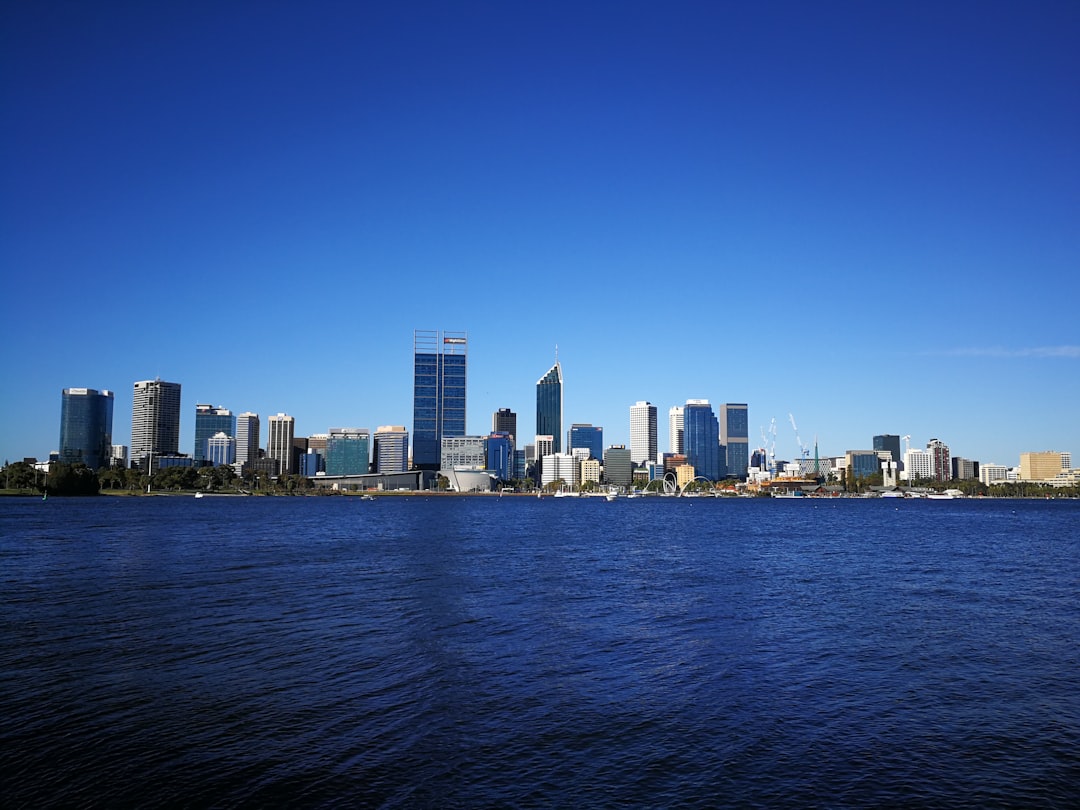
Thousands of Perth renters are facing a harsh reality as their leases expire this winter: options are shrinking, prices are surging, and competition has never been fiercer. With the city’s vacancy rate scraping just under 1%, tenants are scrambling to secure new homes before their current agreements run out.
The situation has come to a head in 2026, as mining-fuelled demand has pushed demand for rentals in WA to record levels. Plummeting supply and climbing interest rates have made both buying and renting tougher, but the squeeze is most acute for those forced to negotiate new leases or seek fresh rentals just as the market hits peak pressure.
Suburbs like Joondalup in the north and Rivervale in the east have seen the sharpest rental competition, according to agents with Ray White North Perth and Harcourts Central. Listings on Grand Boulevard in Joondalup rarely last more than a few days, with some properties attracting 30 or more applications in a weekend. Over in South Perth, QR codes pasted on signboards direct renters to register for tightly controlled open inspections, only to find lines snaking down Mill Point Road on Saturday mornings.
Property managers say urgent consultation with WA’s Tenant Advice Service is on the rise. "We’re fielding triple the usual requests about end-of-lease strategies," said a senior representative (speaking generally about volumes, not for attribution). The state's Department of Communities has responded by bolstering its online Emergency Accommodation Register, aiming to help residents unable to find or afford a traditional lease.
According to data from REIWA, median weekly rents in Perth hit a record $690 in June, up 12% from last year. The city’s sub-1% vacancy rate has persisted for 15 consecutive months, making it the tightest capital city market in Australia. Wanneroo and Baldivis have seen rent increases of up to $120 per week since January alone. Meanwhile, the median house price in WA surged to $682,000 last quarter, more than $200,000 above pre-pandemic levels.
This sharp cost pressure is pushing many to weigh the costly jump to home ownership—if they can cobble together a deposit. But with lenders now scrutinising serviceability more tightly, and the typical 2-bedroom home in areas like Bayswater now fetching $595,000, some renters find themselves locked out of buying, as well as renting.
As the stalemate drags on, several strategies are emerging for expiring-lease tenants. Early communication with landlords remains critical—agents recommend negotiating new terms or lease extensions up to three months out, especially along busy corridors like Stirling Highway and Canning Highway. Renters unable to renew are making lateral moves: partnering up with housemates (in larger shares, or with family), or pivoting towards short-term accommodation, albeit at higher costs.
Organisations like Tenancy WA provide checklists and sample letters for renters seeking to stay put, dispute rent hikes, or request more time. The City of Perth has also flagged vacancy in some newly completed build-to-rent complexes, such as those on Wellington Street—though these fill rapidly through online lotteries.
While neither buying nor renting is easy in the current market, acting early, seeking targeted support, and considering less central locations can make the difference. For those whose leases are ending soon, every day counts in navigating one of Perth’s toughest rental environments in memory.
Spread the word
About this article
Published by The Daily Perth
Stay in the loop
Daily brief
Free, in your inbox before 7am. Weekdays.
The Daily Network — local news across Australia
More local news across Australia