news
Lyttelton Port Toxic Gas Incident: Worker Exposure Data
Two workers nearly died and four hospitalised in the Lyttelton fishing boat toxic gas incident. February hydrogen sulphide exposure traced to rotting fish waste at Antarctic Discovery vessel.
How we reported this
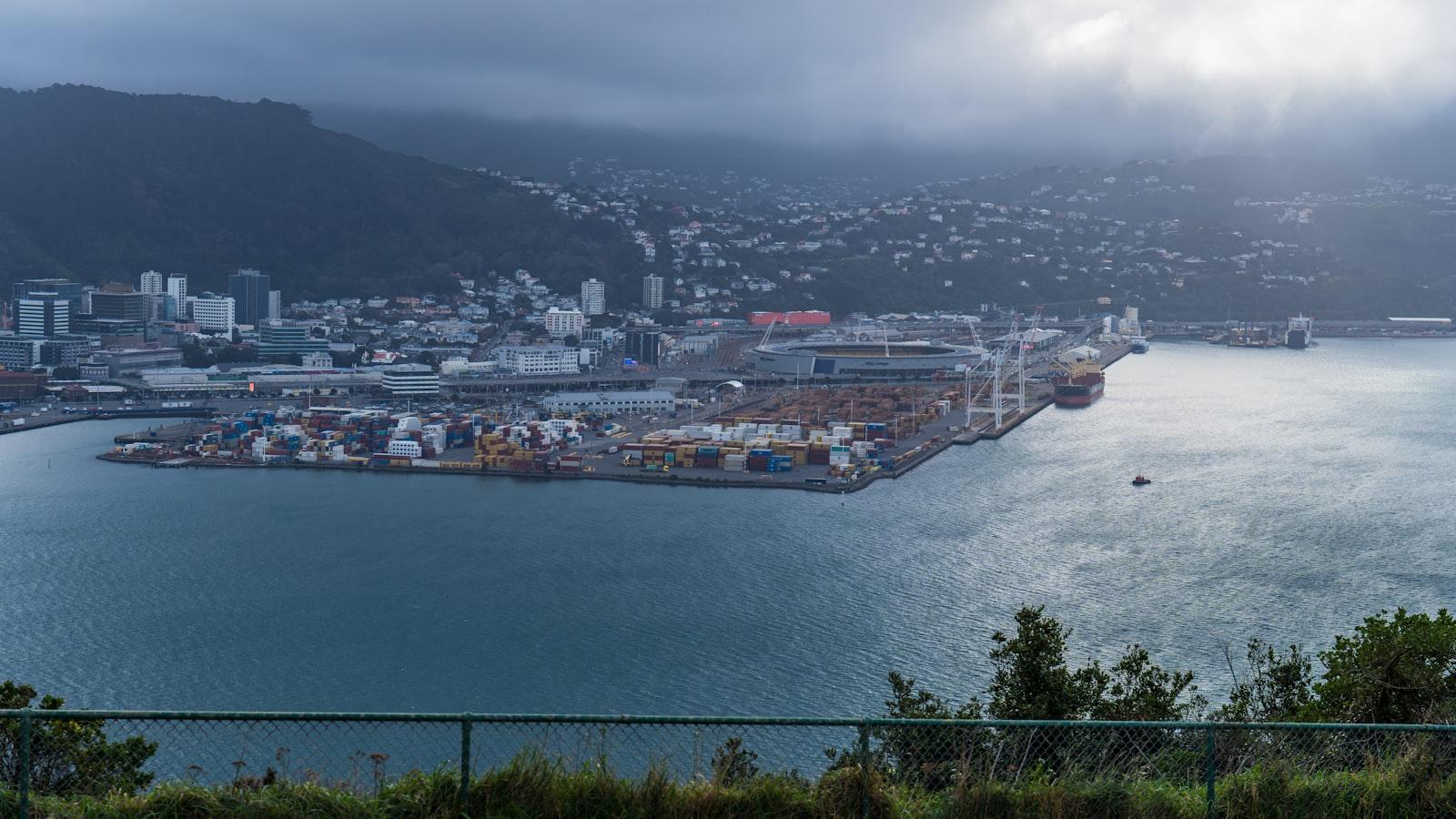
Two workers came close to death after exposure to toxic gas from rotting fish waste on the fishing boat Antarctic Discovery at Lyttelton Port in Canterbury. Four workers required hospital treatment after the event.
Incident counts from the vessel
The verified figures record two contractors who escaped and two crew members who lost consciousness after entering the space to investigate. Investigators identified the gas as hydrogen sulphide generated when contaminated fish waste and seawater stayed in the system and were later disturbed.
Timeline and vessel details
The pumping of rotten fish and water into a machinery space occurred while the vessel was in dry dock in February last year. The sequence left the material in place long enough for gas production to begin before the release.
Gas production evidence
A separate marine investigation into a comparable fish-waste gas release confirmed that decaying fish in enclosed spaces can generate lethal gases that include hydrogen sulphide and hydrogen cyanide. The Lyttelton case aligns with this pattern through the documented presence of hydrogen sulphide alone.
Exposure sequence
Initial disturbance of the contaminated mixture produced the gas that affected the four workers. Two escaped without loss of consciousness while the remaining two required rescue after they became unconscious on entry. Hospital records cover treatment for all four following the release.
These counts and the identified gas type form the core documented record of the event. No additional quantitative data on concentrations or exposure durations appear in the available reports.
Next steps for similar vessels
Operators of fishing vessels can review enclosed-space entry procedures and waste-handling systems to reduce the chance of gas accumulation from fish waste and seawater mixtures. Port authorities and marine investigators continue to examine such incidents for recurring patterns.
References Sourced but Not Limited to:
- rnz.co.nz · Toxic gas from rotting fish waste nearly killed two workers aboard...
- 1news.co.nz · Toxic gas from rotting fish waste nearly killed two workers on fishing...
- stuff.co.nz · Four hospitalised after toxic gas rotting fish waste knocks engineers...
- intranet.dosh.gov.my · 1663 three dead after inhaling toxic gas from ship storage the star...
- afloat.ie · 62343 incident where fishing crew survived asphyxiation could have been...
- newscientist.com · Mg18224474 200 fatal fish gas
- firerescue1.com · Rotting fish gas turns hazmat 2 fishermen overcome 56YD06IiUkEicRsV
- telegraphindia.com · Cid
- grist.org · Rotting fish smelled so bad it knocked two fishers unconscious