The faces behind Perth's markets: How stallholders are keeping local retail alive
While shopping habits shift, the people running Perth's weekend markets are creating something money can't buy—community.
3 min read
While shopping habits shift, the people running Perth's weekend markets are creating something money can't buy—community.
3 min read
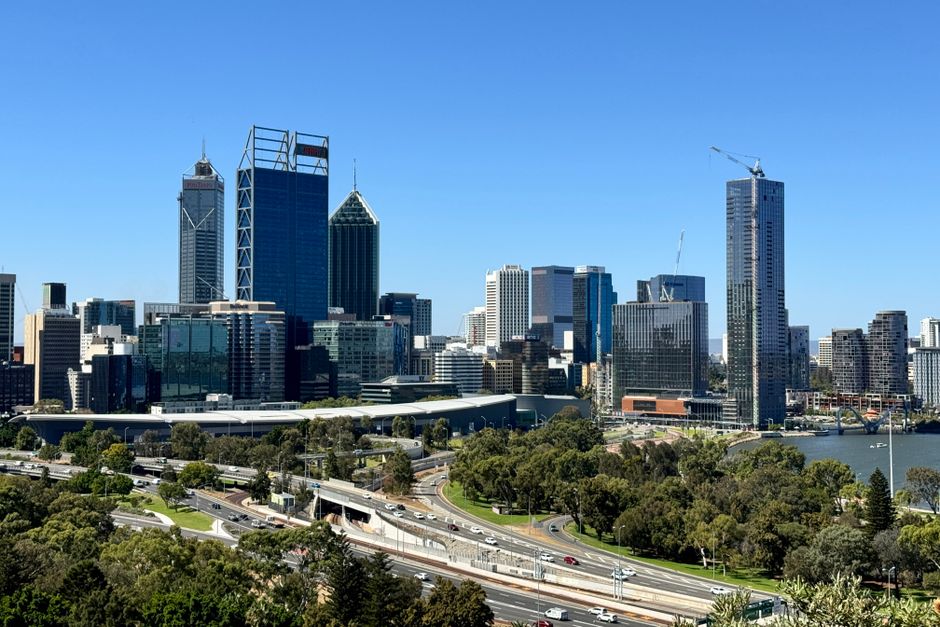
Every Saturday morning at Fremantle Markets, the same thing happens. Vendors roll up before dawn, arrange their produce by 6am, and by 9am the place hums with the kind of energy that shopping centres can't manufacture. This is where Perth's retail story isn't written in quarterly earnings reports—it's written in the faces of people who've chosen to sell face-to-face in an age when most of us shop alone on screens.
The shift matters now because Perth's retail landscape is fracturing. Traditional shopping precincts are quieter. First-time buyers are holding back from mortgages, which means less discretionary spending overall. Meanwhile, the markets—Fremantle, South Perth Foreshore, Subiaco, the smaller suburban ones—are becoming something different. They're not competing on price or convenience. They're selling something else entirely: direct access to the people who grow, make and sell what they're offering.
Fremantle Markets, operating since 1897, remains the city's principal weekend retail destination, drawing around 4,000 visitors on a typical Saturday. But the surrounding neighbourhood tells a different story. Along South Terrace and into the back streets, individual stallholders have created their own ecosystem. The Fremantle Produce Market runs Friday through Sunday. Vintage dealers occupy permanent shop fronts. Second-hand bookshops do brisk trade alongside family-run cheese counters.
In South Perth, the Foreshore Markets operate every weekend with roughly 80 permanent and rotating traders. They've become the anchor for what's become a genuine neighbourhood shopping experience. You can't order this online. The produce vendor knows which paddock their tomatoes came from. The jeweller will spend twenty minutes adjusting your ring rather than directing you to a website.
Similar patterns play out at Subiaco Markets, which has operated continuously since 1903. These aren't quaint anachronisms struggling against the internet. They're proof that when retail is mediated by actual humans who have reputation and repetition invested in their customers, something holds firm.
A stall at Fremantle Markets costs between $45 and $65 per day, depending on size. That's a deliberate price point—low enough that small producers and makers can justify the commitment, high enough to keep operations sustainable. South Perth's model charges between $35 and $50. These figures matter because they reveal the real business model: volume of traders creating volume of visitors, not profit-taking on individual transactions.
Visa payment data released in late 2025 showed that markets-based retailers in Western Australia were among the few retail segments experiencing year-on-year growth, with market traders reporting 8 percent more transactions than 2024. That's against a backdrop of flat-to-declining foot traffic in traditional shopping centres. Markets are moving cash differently—smaller transactions, repeat customers, higher attachment to the person serving them.
Walk through these spaces and you notice patterns. Regular customers visit the same stallholder every week. There's banter that's become familiar. The produce vendor knows what you bought last week and mentions it. The artisan baker remembers you prefer the sourdough with less salt. This is what retail looked like before mail-order catalogues, before shopping centres, before algorithms decided what you should want.
For people navigating Perth's softening property market and the broader economic uncertainty, markets offer something affordable and immediate. You can spend $20 and feel like you've had an experience. You can buy direct from producers, which typically means lower prices for quality produce. South Perth residents interviewed recently noted they save roughly 20-30 percent on fresh vegetables compared to major supermarket chains.
If you're looking to support these retailers, the practical approach is straightforward: commit to regular visits. Markets operate on predictable schedules—Fremantle every weekend, South Perth Foreshore Saturdays and Sundays, Subiaco Markets weekends year-round. Go hungry, bring cash (though cards increasingly work), and stay past the initial browse. The real retail story in Perth isn't at Westfield or Karrinyup. It's the person behind the stall who's betting their livelihood on being the best at what they do, in person, every single week.
Spread the word
About this article
Published by The Daily Perth
Stay in the loop
Daily brief
Free, in your inbox before 7am. Weekdays.
The Daily Network — local news across Australia
More local news across Australia