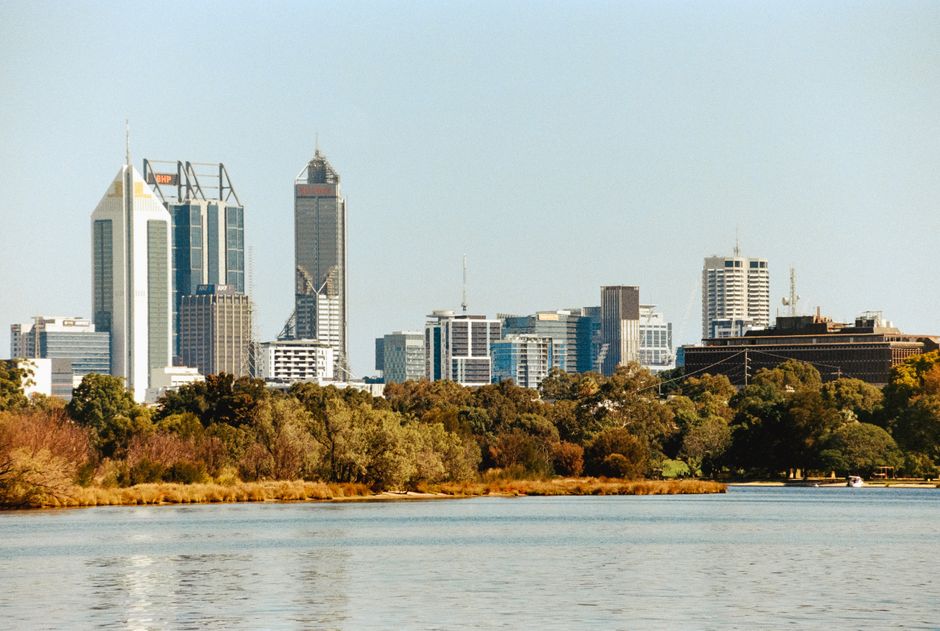
Perth's transport story shifted last month when the final stage of the Elizabeth Quay Station works wrapped up, ending three years of disruption on the Northbridge-to-Waterfront corridor. The completion means commuters now have a genuine alternative to gridlock on the Mitchell Freeway, and for the first time in years, people are actually using it.
The timing matters. While property prices across Australia have stalled and first-home buyers have retreated from the market, Perth stands out because livability – not investment returns – has become the selling point. A functioning transport system directly affects whether someone can afford to live in a growth corridor like Thornlie or Harrisdale without spending two hours a day in traffic. For young families looking at Perth's outer suburbs, the newly extended PerthSmartRider network makes the math work. A household no longer needs two cars if the train actually runs on time.
On the ground, the changes are tangible. The upgraded stations at Beaufort Street and in Northbridge now handle 18,000 passenger movements daily, up from the 11,500 recorded in early 2023. Bus lanes on the Kwinana Freeway southbound have cut commute times from Cockburn to the CBD by an average of 14 minutes during peak hours, according to transport department figures released in May.
Real alternatives are finally working
What's changed is supply meeting actual demand. Perth's original rail network was designed decades ago when the city had half its current population. The Elizabeth Quay extension wasn't flashy – it mostly fixed bottlenecks rather than expanding capacity – but bottlenecks were the problem. Transperth's integrated ticketing system now works across trains, buses and ferries without the old glitchy transfer penalties that made multimodal journeys a nightmare.
The Mandurah Line, which runs straight through Fremantle, has become a genuine weekend destination tool rather than just a commute route. A Friday evening train from Perth CBD to Freo costs $4.20 and takes 45 minutes. That changes behaviour. Residents in suburbs like Kardinya and Spearwood suddenly have recreational mobility they didn't have when they relied on car parks and fuel costs.
Ferry services between Elizabeth Quay and Barrack Street Jetty have also seen unexpected uptake. Commuters from the riverside apartments in Perth Water discovered that the 7-minute ferry ride actually beats driving through the city centre. It's not revolutionary, but it's the first time Perth's waterfront infrastructure has functioned as transport rather than backdrop.
The numbers show Perth residents are responding
Public transport usage across greater Perth jumped 12 percent in the June quarter alone, the highest quarterly increase since 2016. Regional areas like Joondalup and Armadale have seen the biggest gains – commuters who'd written off the train as unreliable are rediscovering it. Transperth's Smartrider data shows evening peak-hour trips (4-7pm) grew 19 percent year-on-year, suggesting people are genuinely choosing trains over sitting in traffic rather than being forced by necessity.
Monthly passes now cost $68 across all zones on the network, a pricing structure that makes sense for workers who previously paid $280-plus monthly for fuel alone. That gap – $200-plus in monthly savings – cascades into actual lifestyle changes. People skip the 6am alarm to sit in traffic and instead catch a 7:15 train, reading or working, and arrive with energy left to visit a café in Northbridge before the office opens.
For anyone planning a move to Perth or adjusting their commute, the practical reality is simple: test the train before locking into another expensive car payment. Download Transperth's Journey Planner app, load a Smartrider, and check whether the route works. It's not perfect – wet weather delays still happen, and weekend service remains patchy – but Perth's transport system has crossed the line from theoretical option to actual choice. For a city where property becomes affordable the further you go from the CBD, that shift matters.